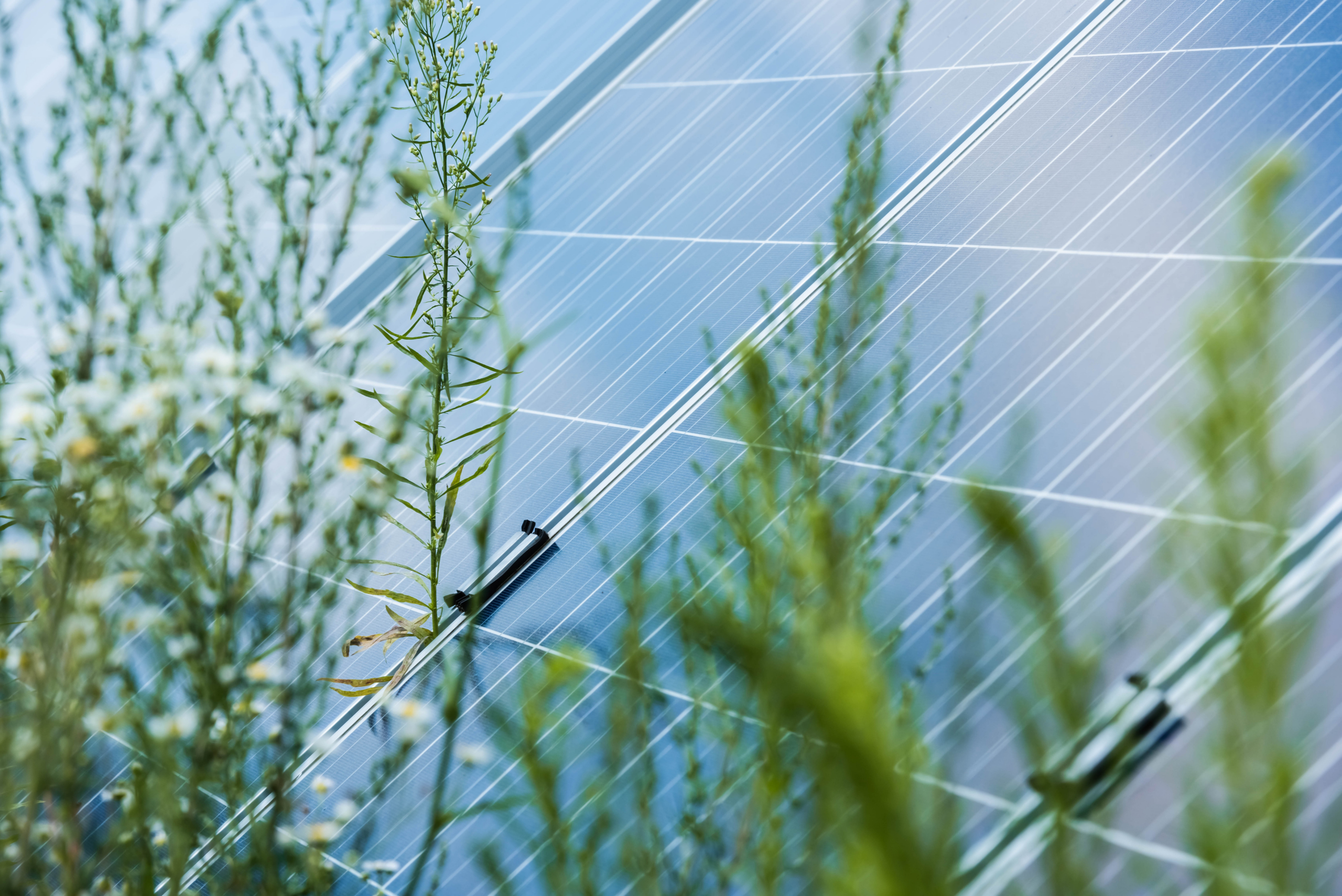
Solar eligibility criteria must be the first thing a homeowner evaluates before investing in a renewable energy system. In 2026, switching to solar is one of the most significant financial moves you can make, especially with utility rates in the Southwest continuing to climb. However, while the appeal of “free” energy from the sun is universal, not every property is a perfect fit for a photovoltaic (PV) system, as factors such as roof orientation, shading from trees or buildings, and local regulations can significantly impact the system’s efficiency and feasibility.
At Sun Energy Today, we prioritize transparency over sales. We want to ensure that if you go solar, your system provides the maximum possible Return on Investment (ROI). Here is an in-depth breakdown of the primary factors that determine if your home meets the necessary requirements for a successful installation.
1. Roof Orientation and Pitch
The most fundamental aspect of the solar eligibility criteria is the direction your roof faces. In Arizona, the orientation of your panels dictates your production curve throughout the day.
-
South-Facing: This configuration remains the “gold standard.” South-facing roofs receive the most direct, intense sunlight, leading to the highest overall kilowatt-hour production.
-
West-Facing: These are increasingly valuable in the Phoenix and Tucson areas. West-facing panels produce energy in the late afternoon—the exact time when utility “Time-of-Use” rates are at their peak.
-
East-Facing: These provide strong morning production, which is ideal if your household energy usage is high early in the day.
The pitch (or angle) of your roof also plays a role. Most solar panels perform best at an angle between 15 and 40 degrees. We can use specialized tilt-racking on your flat roof to position your panels at the ideal angle for the Arizona sun.
2. Roof Condition and Structural Integrity
You should never put a 25-year solar system on a roof that only has five years of life left. A major part of our solar eligibility criteria assessment involves a physical or drone-based roof audit.
-
Age: If your shingles or tiles are approaching the end of their lifespan, we often recommend a “lift and lay” or a full replacement prior to installation.
-
Material: Solar is highly compatible with composite shingles, standing-seam metal, and concrete tiles.
-
Weight Load: Solar arrays add approximately 3 to 4 pounds of weight per square foot. Your home’s rafters must be structurally sound enough to support this weight along with local wind-load requirements.
3. Sunlight Exposure and Shading Analysis
Even the most advanced high-efficiency panel cannot produce power in the shade. Shading is often referred to as the “silent killer” of solar ROI (return on investment), as it can drastically reduce the efficiency and profitability of solar energy systems. We use advanced LIDAR (Light Detection and Ranging) technology to evaluate your property’s shading profile across all four seasons.
-
Obstructions: Large trees, neighboring chimneys, and even second-story dormers can cast significant shadows.
-
The “Solar Window”: To meet the solar eligibility criteria for a full energy offset, your roof generally needs at least 4 to 6 hours of unshaded, direct light per day.
4. Available Square Footage
A standard residential solar panel is roughly 17.5 square feet. To offset 100% of a typical Arizona energy bill, you may need anywhere from 20 to 40 panels. This measurement requires a significant amount of “clear” roof space. We must also account for “fire code setbacks,” which usually require a 3-foot clear path around the edges and ridges of the roof for emergency access. If your roof is too small or complex, we can explore high-wattage panels that produce more power in a smaller footprint.
5. Current and Future Energy Consumption
The math for solar works best for “high-usage” households. If your monthly bill is consistently under $100, the payback period for a system might be longer than average. However, if you have a pool, an electric vehicle (EV), or run your AC 24/7 during the summer, you are a prime candidate. We analyze your past 12 months of utility data to ensure we aren’t “over-building” or “under-building” your system.
6. Battery Readiness and Resilience
In 2026, meeting the solar eligibility criteria also involves looking at your storage potential. As utilities move toward net-billing structures, a solar battery backup in Arizona is the key to financial independence. We check if your electrical panel has the capacity for an interconnection and if there is a suitable, cool location (like a garage) for the battery units.
7. Financial and Incentive Eligibility
Finally, we look at your financial fit. Thanks to our zero-down solar in Arizona programs, you don’t need a huge savings account to start. However, your eligibility for the Federal Residential Clean Energy Credit depends on having a federal tax liability. If you qualify, the government effectively subsidizes 30% of your total project cost.
Is Your Home Ready for the Sun?
Meeting the solar eligibility criteria is the first step toward a lifetime of lower bills and a smaller carbon footprint. While not every roof is perfect, modern technology has made it possible for more homes than ever to join the solar revolution.
Ready to find out if you qualify? At Sun Energy Today, we provide a no-cost, no-obligation “Solar Suitability Report.” We’ll use satellite data to analyze your roof and provide a 25-year savings projection.
-
Get Your Suitability Report: Click here!
-
Call Our Arizona Team: (480) 901-8064
-
Discover More: Visit sunenergytoday.com to see if you’re a candidate.