Solar Panel Performance in Extreme Desert Heat: Temperature Coefficients Explained
Arizona delivers world-class solar potential, averaging over 300 sunny days each year. However, property owners across Phoenix, Scottsdale, and Tucson face a unique engineering reality during summer months: intense ambient heat affects electrical performance. Standard photovoltaic (PV) hardware experiences reduced voltage output when module temperatures soar during triple-digit heatwaves. Understanding how solar panel performance high temperatures dynamics operate—and how specialized system design mitigates thermal degradation—is critical for securing maximum energy yields during peak utility demand periods.
The Physics of Solar PV Thermal Efficiency
A common misconception is that solar panels generate more electricity as temperatures rise. While photovoltaic modules rely on irradiance (sunlight intensity) to excite electrons within silicon cells, elevated silicon temperatures actually create internal electrical resistance.
Every solar panel carries a factory specification known as the Temperature Coefficient of Pmax. This rating specifies the exact percentage of power production lost for every degree Celsius the panel temperature rises above Standard Test Conditions (25°C or 77°F).
- Standard Operating Conditions: In laboratory testing, panels are evaluated at 25°C (77°F).
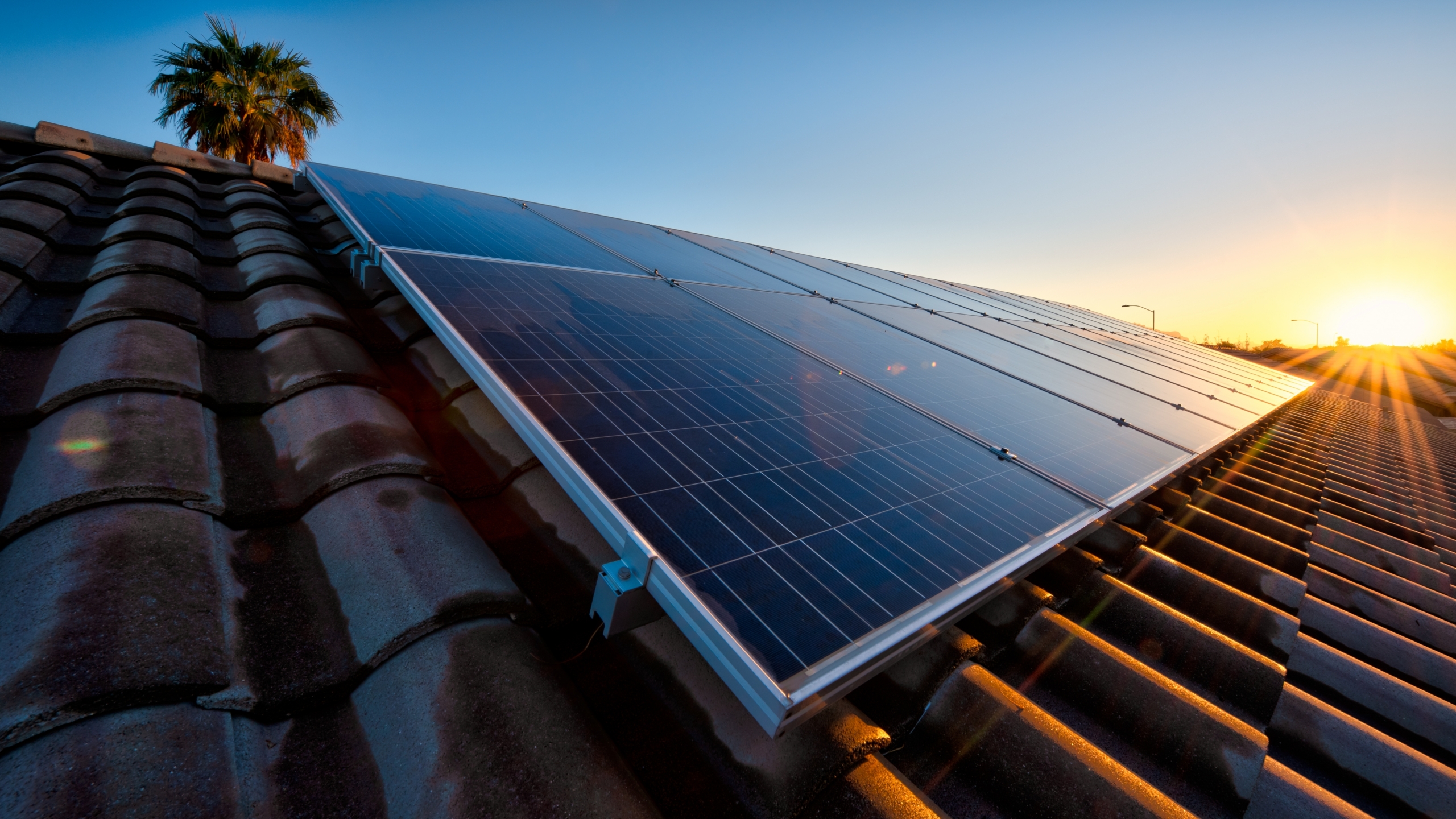
- Actual Desert Surface Temperatures: On an 115°F Arizona summer afternoon, dark rooftop panel surfaces easily reach 145°F to 160°F (62°C to 71°C).
- Efficiency Losses: Standard panels with a high temperature coefficient (-0.40%/°C) lose upwards of 15% to 20% of rated generation capacity during extreme heat spikes.
Selecting tier-1 modules optimized for solar panel performance high temperatures ensures your array retains high voltage metrics precisely when Arizona Public Service (APS) and Salt River Project (SRP) charge their highest peak utility rates.
Engineering Strategies to Mitigate Thermal Degradation
Overcoming heat-induced voltage losses requires a combination of advanced semiconductor materials, specialized racking airflow, and precision inverter topology.
1. High-Efficiency Panels with Low Temperature Coefficients
Advanced N-Type TOPCon and Heterojunction (HJT) solar cell technologies maintain significantly lower temperature coefficients (often -0.26%/°C to -0.30%/°C) compared to older legacy panels. Deploying premium cell architecture minimizes power degradation under extreme heat conditions.
2. Optimizing Racking and Airflow Pathways
Flush-mounting panels directly against a hot roof traps radiant heat beneath the glass. Utilizing engineered mounting systems—such as K2 Systems raised tilt frames or commercial ballast mounts—creates a venturi airflow channel beneath the modules. Continuous airflow cools cell junctions, stabilizing overall voltage.
3. Bifacial Module Technology on Commercial Roofs
Commercial property owners utilizing light-colored TPO or reflective roof membranes benefit from bifacial panels. Bifacial modules capture direct sunlight from above while absorbing reflected irradiance from below, mitigating total thermal stress per cell area.
4. Microinverter and Hybrid String Inverter Design
Standard string inverters can experience thermal throttling if ambient temperatures in electrical rooms or outdoor mounting locations exceed operating limits. Utilizing advanced microinverter networks or thermally isolated hybrid inverters protects system conversion efficiency during summer heat spikes.
Evaluating Long-Term Return on Investment in Arizona
When analyzing system engineering options, factoring in solar panel performance high temperatures behavior ensures your financial returns match real-world projections. Installing hardware rated specifically for hot desert climates prevents mid-day production drop-offs, keeping air conditioning loads powered directly by solar generation rather than expensive grid power.
Partner with Arizona’s Premier Solar Engineers
Mitigating thermal stress demands technical expertise, premium hardware selection, and precision installation standards. Based in Scottsdale, Sun Energy Today designs commercial and high-end residential solar arrays engineered to deliver reliable performance through extreme Arizona summer heat.
Ensure your solar investment is built to thrive in desert conditions. Contact our technical team today for a Free Quote and optimize your system’s summer generation capacity.