Powering the AI Boom: Why Solar + Storage Is Essential for High-Load Data Center Resilience
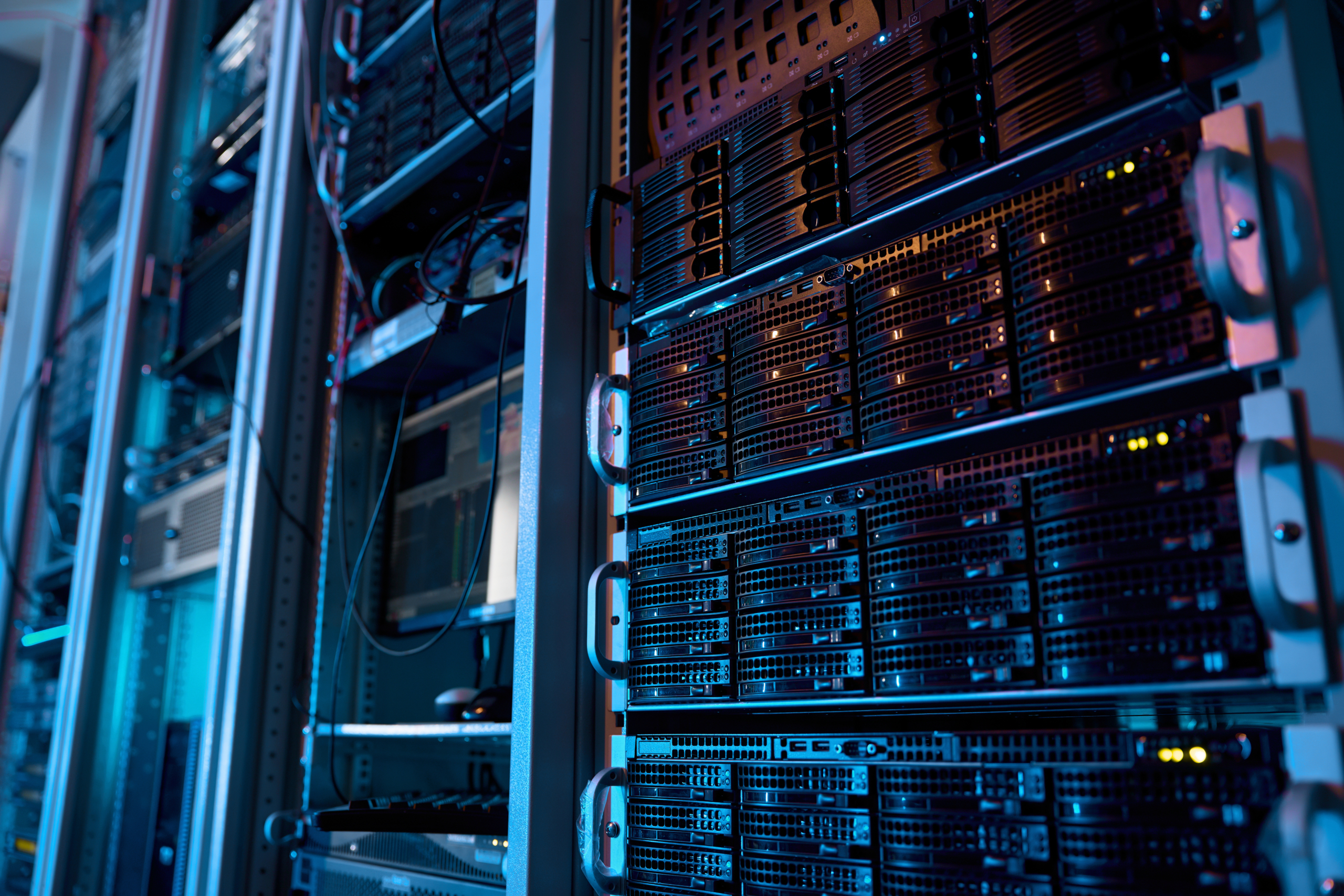
Artificial intelligence models, cloud computing architectures, and high-performance data clusters consume unprecedented amounts of power. Across the country, regional electrical grids are struggling to keep up with the continuous baseline demands of modern hyperscale facilities and enterprise data centers.
For data center operators, power constraints create a dual crisis: limited utility interconnect capacity restricts operational growth, while regional grid instability threatens expensive downtime. To meet high-load demands while maintaining strict service level agreements (SLAs), forward-thinking technology leaders are deploying data center solar energy storage infrastructure engineered by Sun Energy Today.
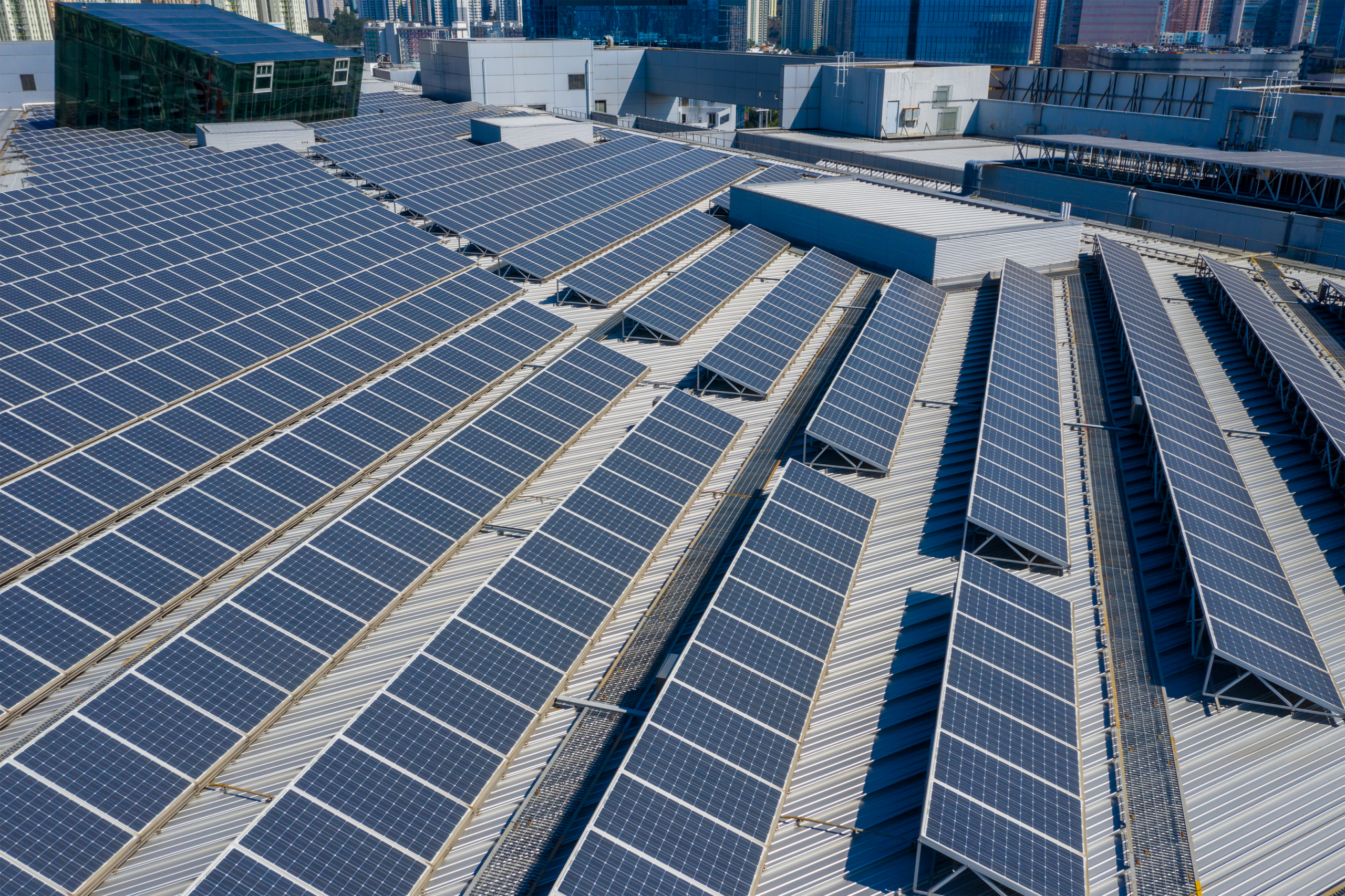
Combining high-density solar arrays with advanced battery energy storage systems (BESS) creates a high-capacity, on-site power plant that supplies clean, reliable electricity directly to core computing infrastructure.
The AI Power Crunch: High Density Meets Grid Bottlenecks
Traditional data center facilities were engineered around predictable, steady power density per rack. AI training models and high-density GPU clusters require five to ten times more power per square foot than standard server hardware.
Relying entirely on municipal utility grids introduces major operational liabilities:
- Utility Interconnect Delays: Waiting for regional utilities to approve grid capacity upgrades can delay data center expansions by years.
- Severe Peak Rate Penalties: High-load facilities face immense utility demand charges during peak regional consumption windows.
- Grid Volatility & Sag Risks: Voltage fluctuations, frequency drops, and seasonal weather blackouts risk damaging sensitive silicon assets and interrupting ongoing compute workloads.
Deploying on-site megawatt-scale solar energy alongside microgrid controls bypasses these utility bottlenecks, granting operators immediate control over their power supply.
Microgrid Engineering for 100% Compute Uptime
Integrating on-site generation into a high-availability compute environment requires advanced electrical design. Data center power architectures utilize a layered energy strategy to ensure uninterrupted compute uptime.
This architecture starts with primary on-site generation via megawatt-scale solar arrays. Next, a grid-scale battery energy storage system (BESS) acts as a rapid buffer and load balancer. Beneath these systems sits the traditional regional utility connection for grid-tying, peak shaving, and exporting, followed by legacy emergency generators for final redundancy.
By placing an intelligent grid-scale battery energy storage system between on-site solar production and the facility’s main power distribution unit (PDU), microgrid software instantly smooths voltage variations and absorbs demand spikes.
During a utility outage, the system performs seamless islanding. The on-site BESS discharges power instantly without triggering transfer lag, while rooftop and ground-mounted solar arrays continue generating clean energy to sustain high-density computing loads indefinitely.
Optimizing Financial Performance via Demand Charge Shaving
Beyond delivering critical outage resilience, Sun Energy Today’s data center setups provide continuous financial benefits. AI workloads run continuously, but computing density can be dynamically managed alongside solar generation and energy storage discharge.
Peak Shaving High-Load Compute Cycles
Data center operators can schedule power-heavy AI training cycles during peak daytime solar generation hours. When grid rates rise, on-site storage supplies extra power to offset facility consumption, neutralizing expensive utility demand charges.
Frequency Regulation & Grid Support
Large-scale BESS installations can participate in regional grid stabilization programs. By supplying fast-acting frequency regulation services back to the regional grid operator during system stress, data center operators generate steady, high-margin ancillary revenue.
Lowering Levelized Cost of Energy (LCOE)
Generating gigawatt-hours of clean electricity on-site lowers the total levelized cost of power over a 25-year system lifecycle, helping data center companies achieve predictable long-term operational expenses.
Achieving High-Load Energy Resilience with Sun Energy Today
Solving the compute power crisis requires a partner with deep expertise in utility-scale engineering, power purchase agreement (PPA) structure, and complex energy storage integration.
Sun Energy Today brings complete engineering, procurement, and construction (EPC) capability to complex energy projects. Our team analyzes your facility’s power load curve, coordinates utility interconnection, and builds high-density solar and storage assets engineered for high-load energy resilience.
Empower your data center infrastructure to scale without utility bottlenecks. Visit sunenergytoday.com to consult with our enterprise energy team today.