The Essential Shift to Clean Solar Energy
Reflecting on the Electrotech Revolution on July 28th
As the final days of July settle across the Southwest, energy developers and communities come together on July 28th to observe World Nature Conservation Day. This milestone serves as a vital reminder to look closely at our collective relationship with regional natural resources. Protecting our scenic desert landscapes, delicate watersheds, and unique native biomes demands moving beyond symbolic environmental pledges toward a broad adoption of clean solar power as our primary infrastructure baseline.
Genuine nature conservation cannot succeed as long as our communities continue to draw their daily energy from an outdated central grid dependent on fossil fuel combustion.
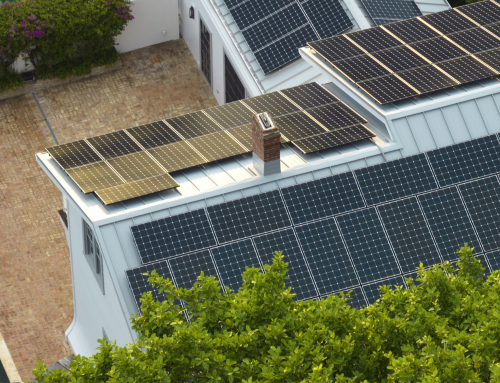
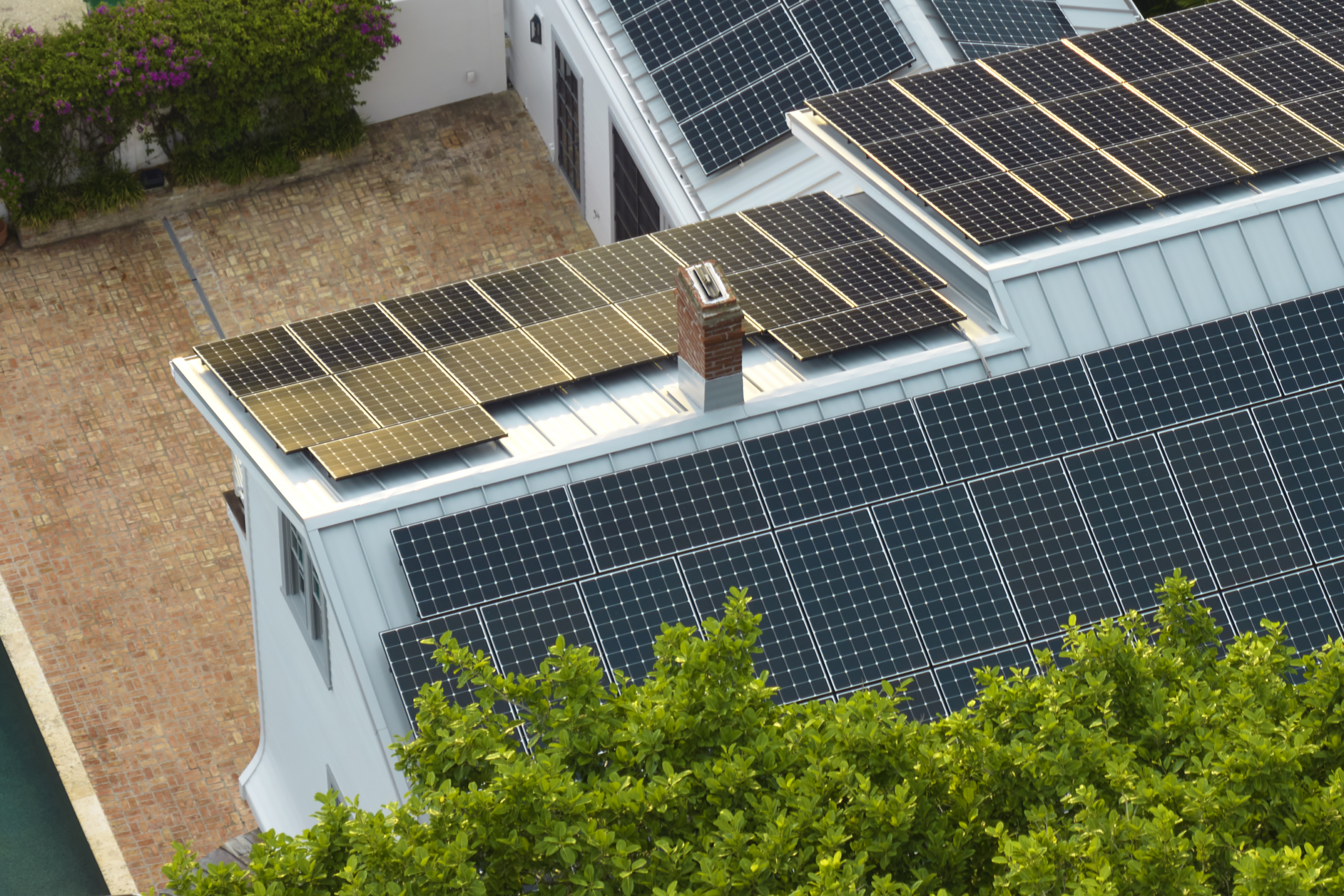
Every residential roof line and commercial building envelope left unutilized represents a missed opportunity to actively lower our regional carbon intensity. Choosing to transition an inert structural surface into an active generation asset allows our neighborhoods to immediately decrease pollution while establishing lasting local autonomy.
The Ecological Reality of Legacy Energy Infrastructure
Many property owners remain unaware that our traditional utility network still relies heavily on fossil-fuel-burning peaking plants to maintain grid stability during intense summer demand spikes. When regional temperatures climb and air conditioning networks run continuously, these older plants accelerate operations, introducing significant emissions directly into our shared airshed and putting considerable strain on local water resources.
By moving forward with a deliberate transition to clean solar power, we systematically phase out our reliance on these centralized, polluting assets. Rooftops are re-engineered into silent, zero-emission generation hubs that process abundant daylight into immediate, useful electrical currents. Over its multi-decade operational lifespan, a single solar network prevents tons of greenhouse gases from altering our atmosphere, contributing directly to better air quality and a more stable environment for the entire community.
Preserving Desert Biomes Through Strategic Spatial Sizing
Industrial-scale utility projects frequently require massive geographic footprints, demanding the disruption of native desert habitats or the fragmentation of wilderness areas to run long-distance high-voltage transmission pathways. Distributed residential and commercial solar completely resolves this ecological conflict by maximizing developed real estate footprints that are already part of local towns.
Optimizing an existing roofline means a property owner can generate substantial power without clear-cutting a single acre of native habitat or disrupting fragile local ecosystems. This decentralized model allows our communities to meet expanding energy demands while keeping wild spaces entirely undisturbed. For a deeper look into the environmental metrics of responsible system design, the Solar Energy Industries Association Consumer Protections offer an excellent overview of how the renewable industry actively minimizes its geographic impact.
Driving Macroeconomic Change via Sovereign Energy Assets
An infrastructure choice only delivers genuine conservation value if the underlying technology is engineered to operate reliably for decades. To make a permanent impact on our regional environment, clean energy equipment must be exceptionally durable, built to handle intense summer heat waves and seasonal dust storms without suffering early performance degradation.
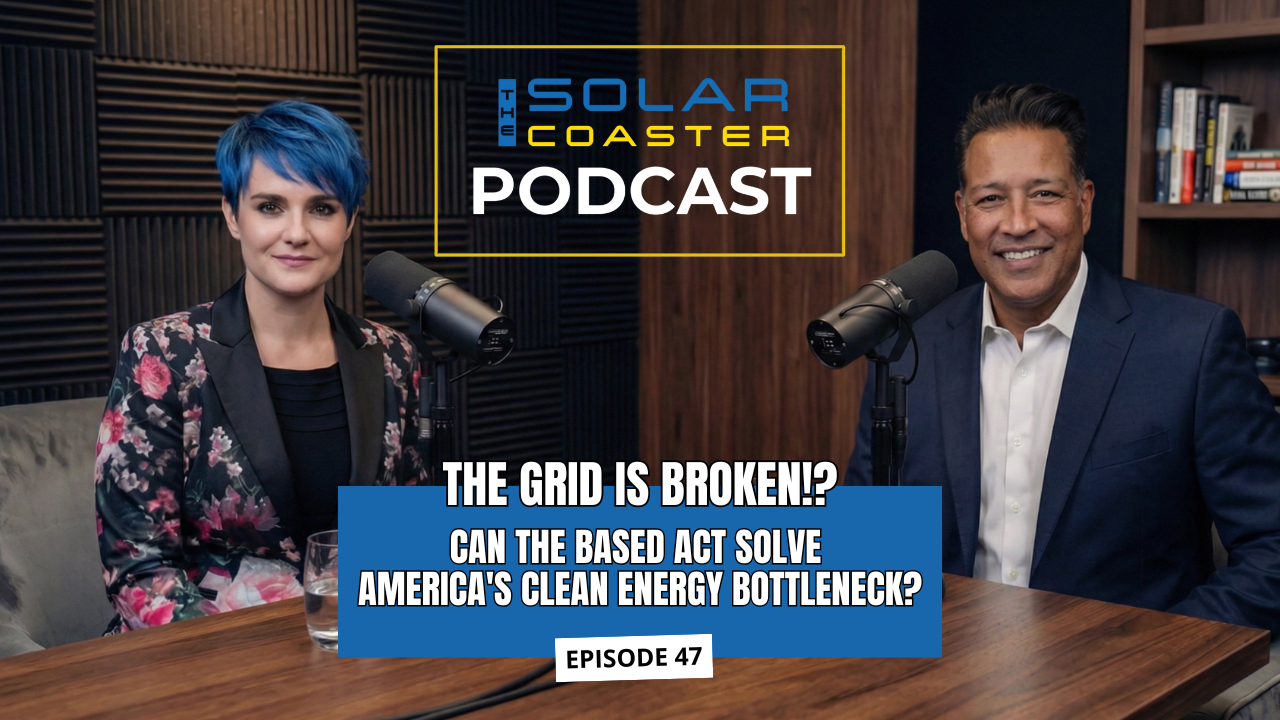
This long-term technical resilience is exactly what defines Sun Energy Today’s commitment to the Electrotech revolution. As featured heavily on The Solar Coaster podcast, our engineering teams focus on pairing robust structural standards with high-efficiency modules and smart energy storage configurations. We eliminate the vulnerabilities of cookie-cutter, call-center solar designs, backing our technical craftsmanship with long-term security to ensure your asset protects the environment cleanly. To learn how a premium local installation can secure your property while preserving our delicate regional ecosystems, read our comprehensive guide on How to Choose Local Solar Over National Call Centers or contact the technical desk at Sun Energy Today today to launch your property evaluation.